
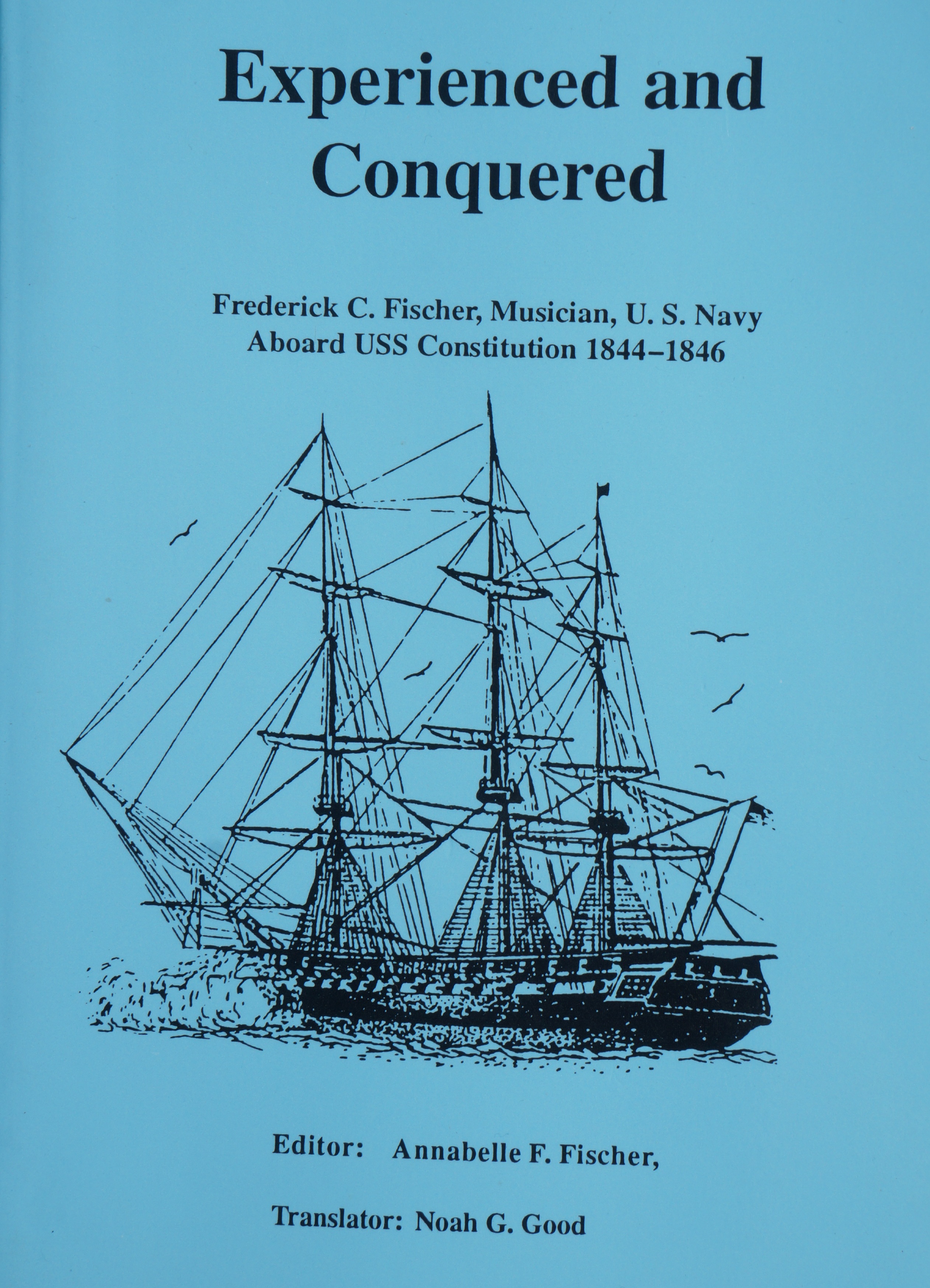
Experienced and Conquered, by Frederick C Fischer, is a firsthand journal account by an immigrant German American sailor and musician of the frigate USS Constitution during her world voyage of 1844-1846.
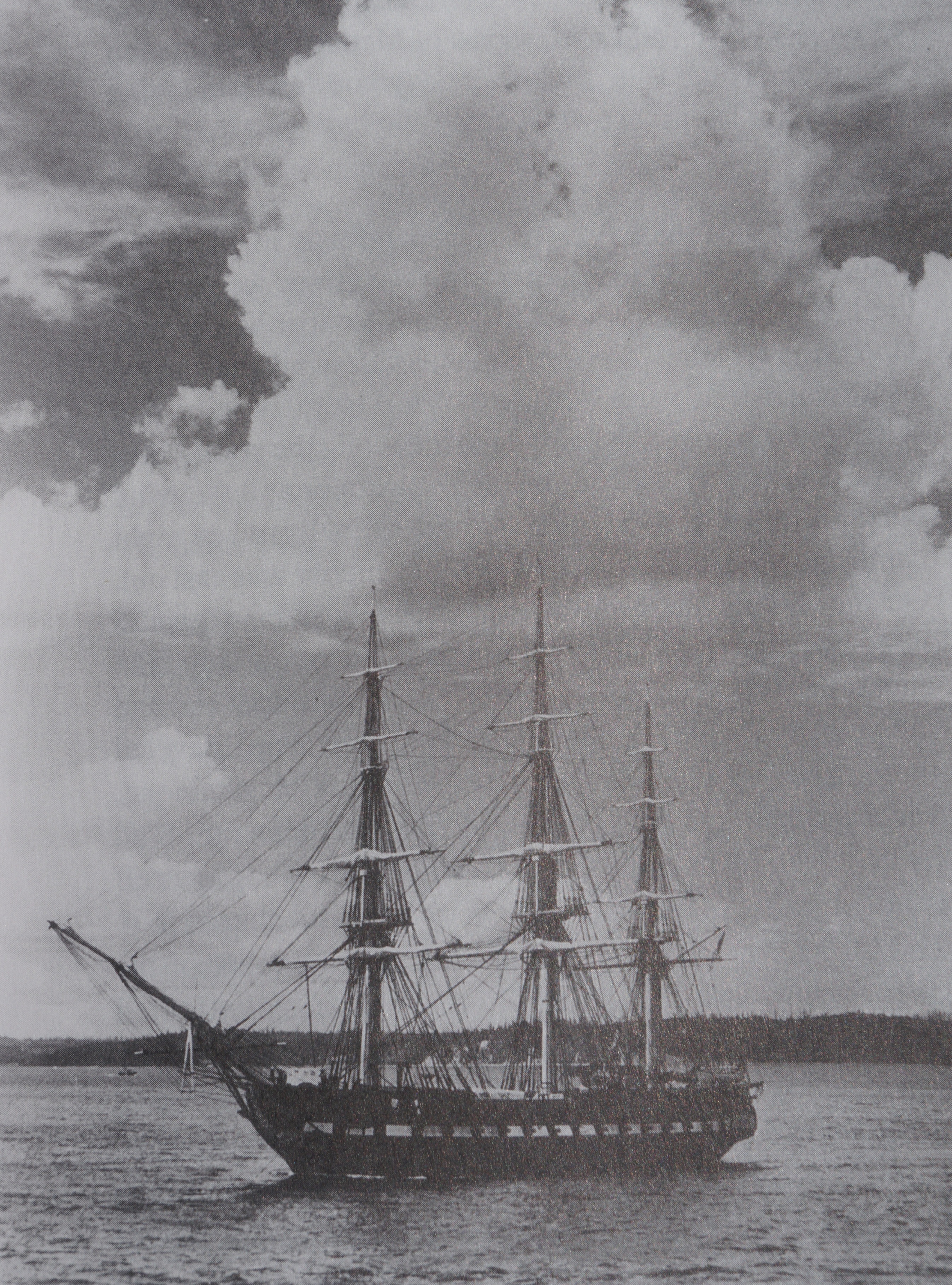
Also known as Old Ironsides, she is a three-masted wooden-hulled heavy frigate of the United States Navy. She is the world’s oldest ship still afloat.
Fischer’s day to day account of events is modeled on a typical midshipman’s journal of the day, the ship’s log being copied then expanded with observations.
Per the book’s translator Noah G Good in 1995, his German was humorous, careful and precise, the hitch being American loan words and his erratic phonetic spelling of them.
Nicely edited with copious end notes, appendices, crew rosters etc by a Fischer relative YNC Annabelle F Sue Fischer USN (Ret). Active duty 1951-1971, Fleet Reserve thereafter until her 1981 retirement.
Frederick was a talented musician like his father Christian, who sadly died during the voyage despite Frederick’s devotion and care and was buried at sea. Probably he played flute and other instruments as Christian did, he does not specify.
The hazardous round-the-world-voyage was a reconnaissance and show-the-flag mission and at that time this meant much mutual cannon saluting of great guns, exchange of letters and credentials and diplomacy via small boat parties at every stage.
Diplomatic meetings, entreating the sovereign, and fetes were frequent as was hosting powerful local VIPs on board ship. And always the constant victualing of the ship.
Though he probably had general ship’s labor duties, playing with the ship’s band was his main job and he was often rowed ashore with the other bandsmen for concerts, balls and receptions, often enjoying wines and food superior to shipboard fare.
His duties, sadly, included playing during burial rites onboard and ashore.
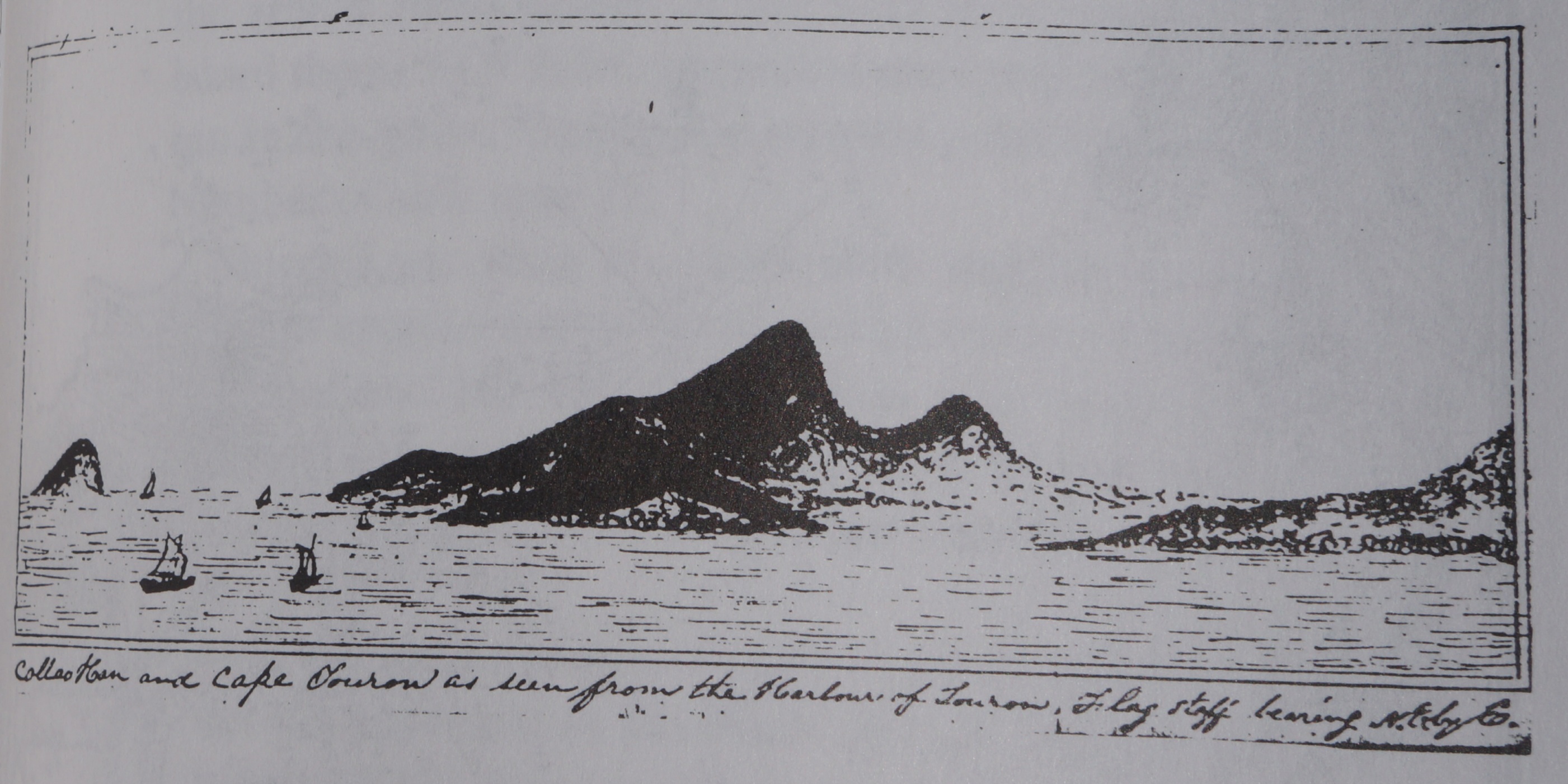
Constitution regularly sent scouting boats up rivers searching out and mapping out maritime resources and geography with the aim being free trade and right of passage for all commercial merchantmen, and for their present immediate needs.
The British policy, OTOH was a locked down exclusive monopoly trade agreement for Britain, especially for vital resources like coal. With the blessings of the local rulers they rowed upstream to inspect ports closer to the mineral sources.
They judged and recorded water depths, tides, winds, climate, indolence or fervor of natives, conditions of fortifications, infrastructure, loyalty of natives to regional satrap, prince or distant imperial overlord.
The boat’s junior officers returned to the ship and wrote reports. Everything pertinent and recordable was noted in the ship’s log.
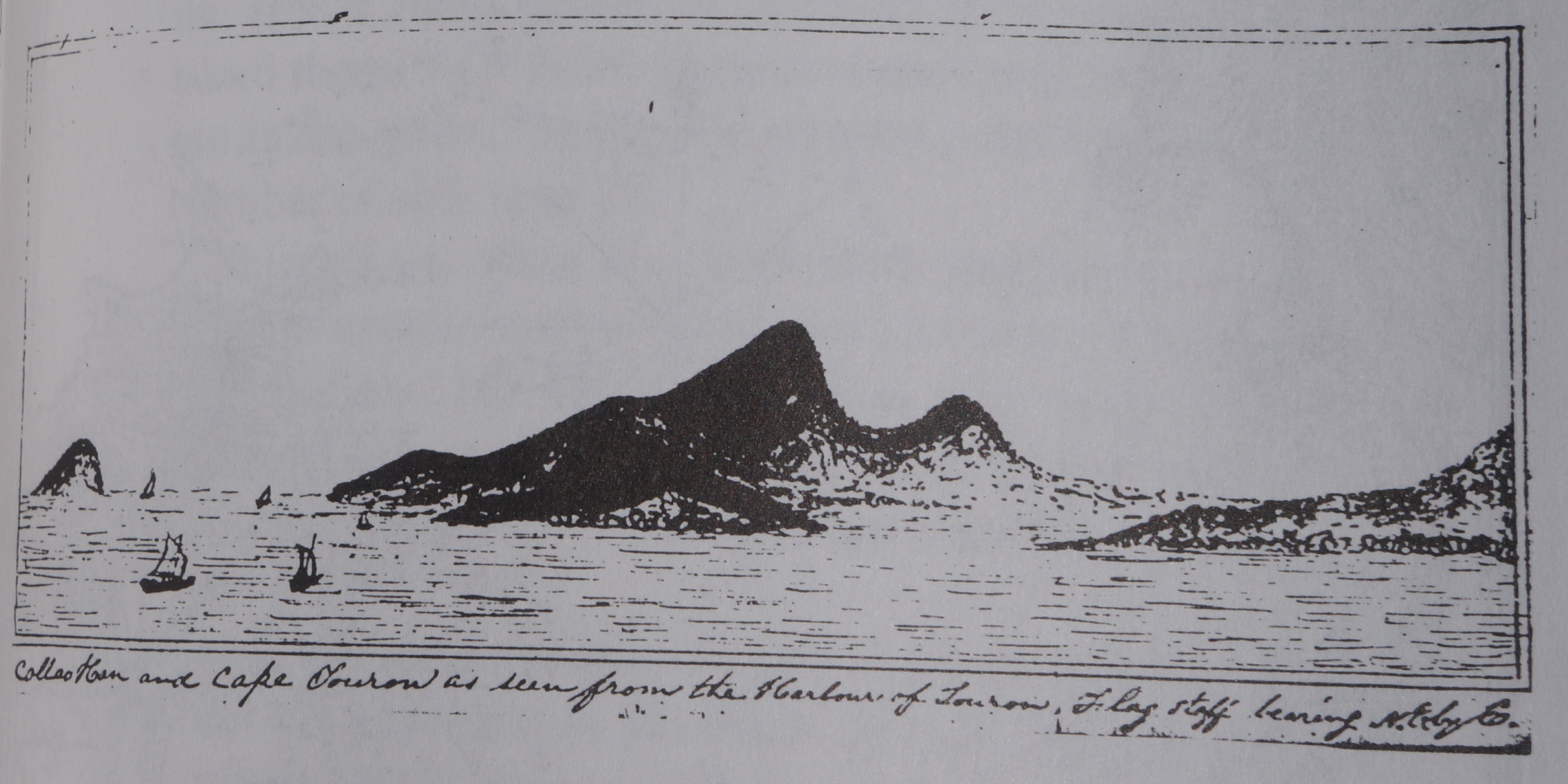
But gunboat diplomacy was also used and blood shed, especially in Constitution’s repeated failed attempts to extricate an imprisoned French missionary through assaults and gunfire.
Constitution constantly sent boats out for water, also needing to buy beef and oxen, chickens, firewood, vegetables, fish, fabric.
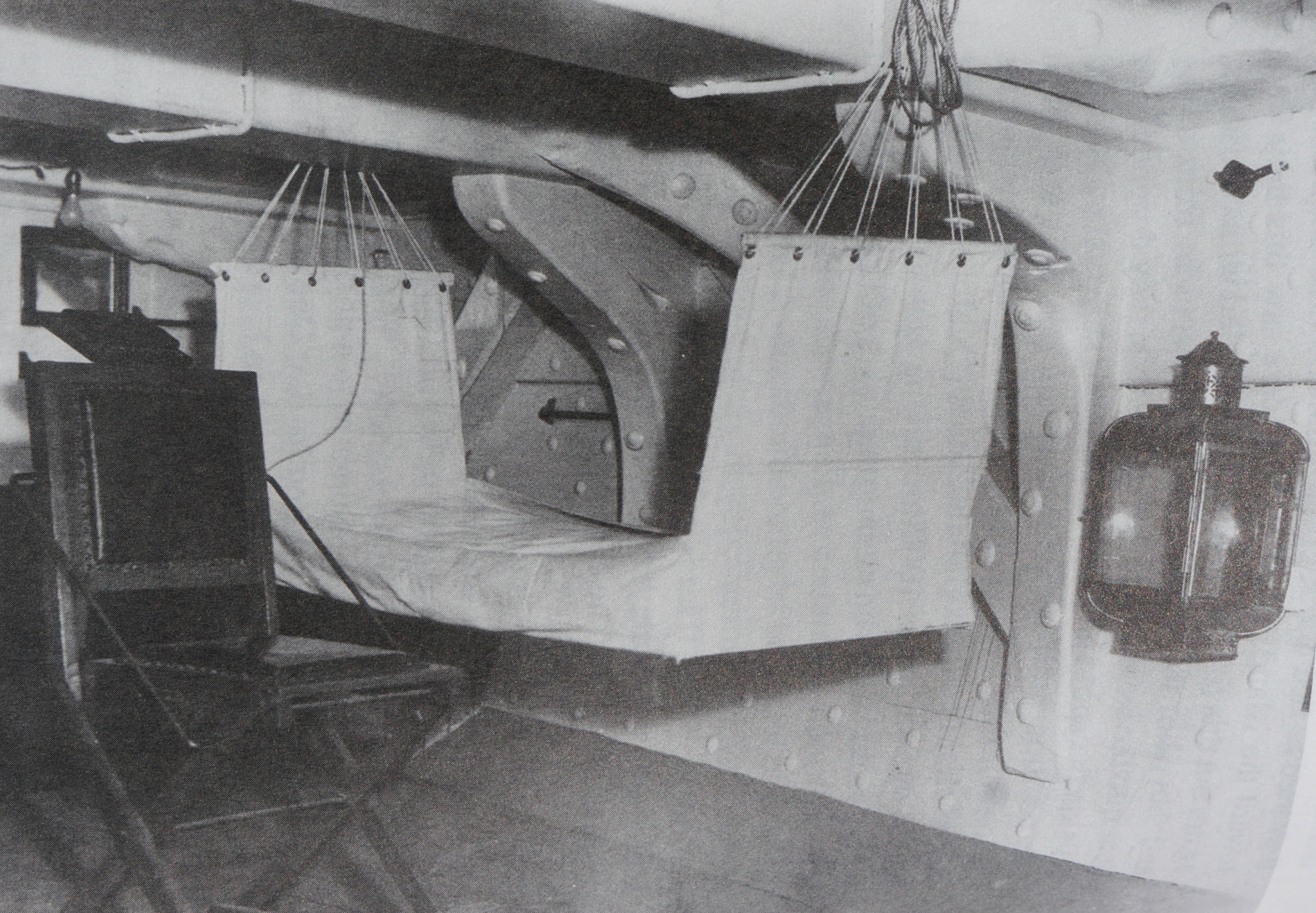
There were over 400 sailors, marines and officers living as crew onboard, and the unvaccinated mid-19th means Fischer and also the ship’s log note sailor deaths seemingly weekly. Including his own father as noted.
Some were dropped to the depths after post mortem medical exams; some were rowed to local shores for land burial. The ceremonies were accompanied by the ship’s band.
There were five seamen court marshaled for the usual offenses during the trip, usually booze associated. All were found guilty after pleading not. All were flogged in the scores of lashes with the Cat-o-Nine (lead) Tails.
Fischer’s constant noting of storms and becalment, fickle or strong adverse winds, the shallow jagged seafloor, and the constant danger at night close to shore, reminds us how perilous their voyage and their times were.
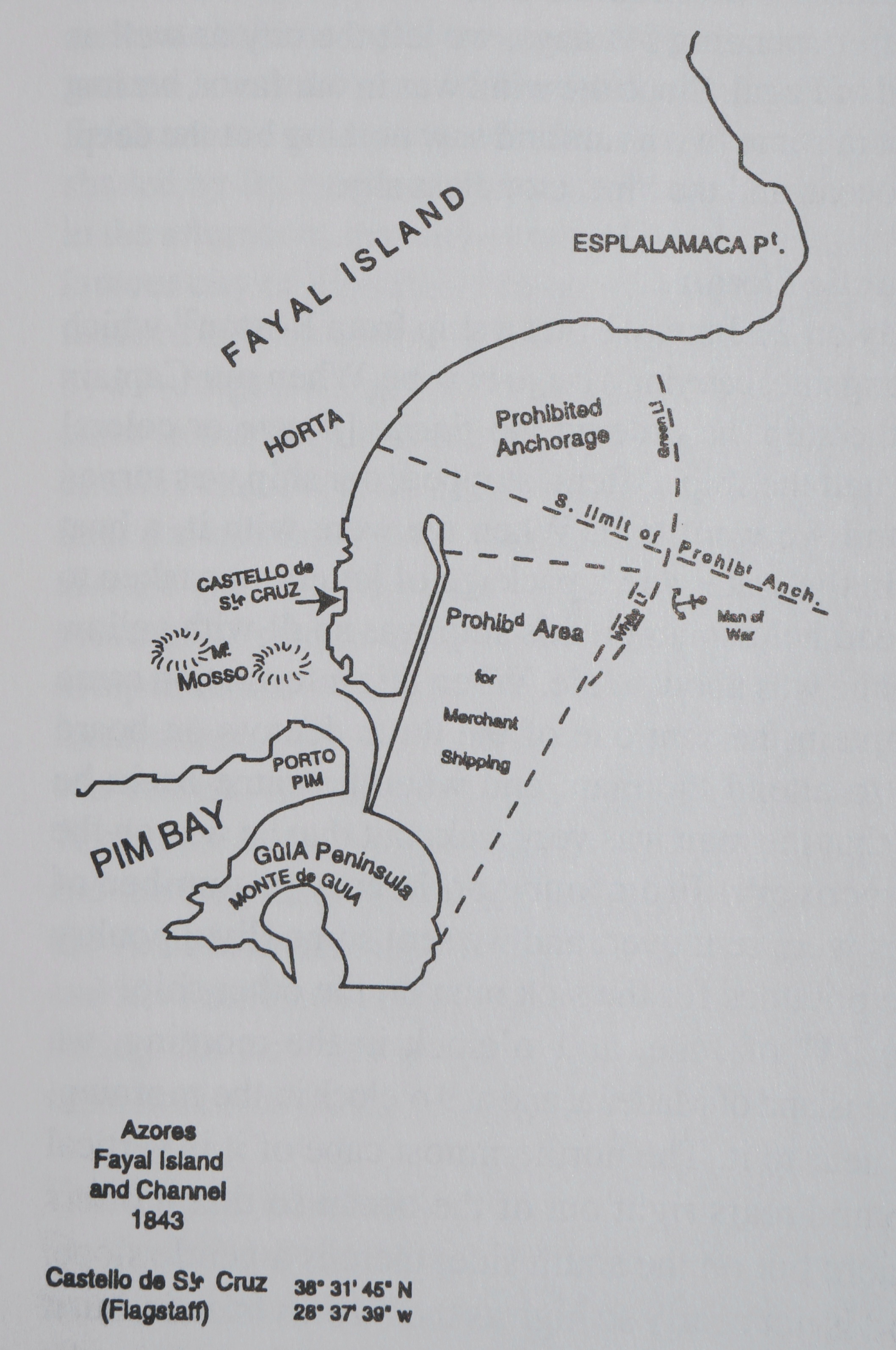
They lost so many anchors and boats to gales its a wonder they could keep sailing, lacking any weather forecasting except experience and aching corns. And sailors and marines succumbed to disease death in the absence of scientific medicine and vaccines.
The title refers to the typically hyper romantic German zeitgeist of the era in the book’s closing words, expressing Frederick’s overwhelming joy on reaching Baltimore. Glad to have done it but gladder still to be home again.
Unless noted, all text and image by todgermanica.com.
 todgermanica.com
I memorized the poem Old Ironsides by Oliver Wendell Holmes when I was in grade school. I just recited the two lines I remember, googled it and I was correct. Kids don’t memorize poems anymore…
>