
I’ve been searching for a guitar octave E, A, D, G four string ‘bass’ for years, never knowing it had already been invented back in my youth.
Because I’m a ‘bedroom bassist’ who ain’t got no band, I’ve got to basically play the melody or lead parts as well as the rhythm parts.
So I was seeking an instrument tuned E, A, D and G, like standard bass and guitar tuning.
I searched for this mystery boxen in the shape of a tenor guitar or cigar box guitar but had no joy.
The tenor guitar is usually tuned like a 4-string banjo and switching it to E, A, D, G would require swapping in new strings which would probably foul up the intonation up on the neck.
And my attempts to build a working 4-string cigar box git fiddle failed, and then failed again.
Then, come to find out, the thing I was seeking was independently developed by bassists Stanley Clarke and Ron Carter back in the 1970s.
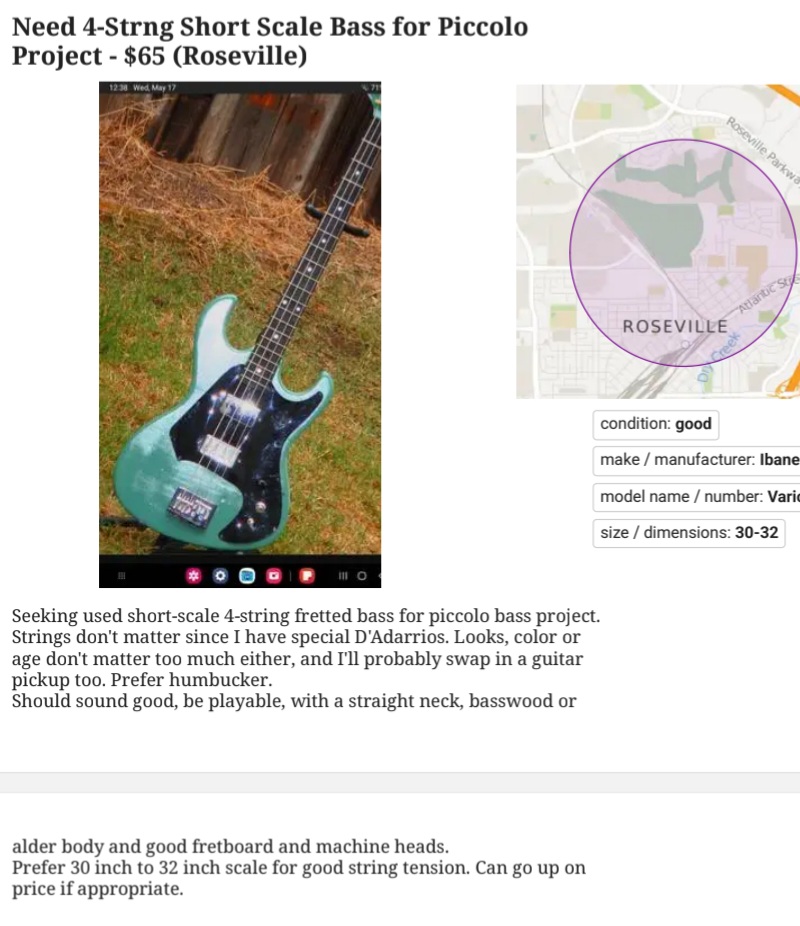
So I used my pal Craigslist to search for a short scale bass to convert to piccolo bass octave- same as a guitar.
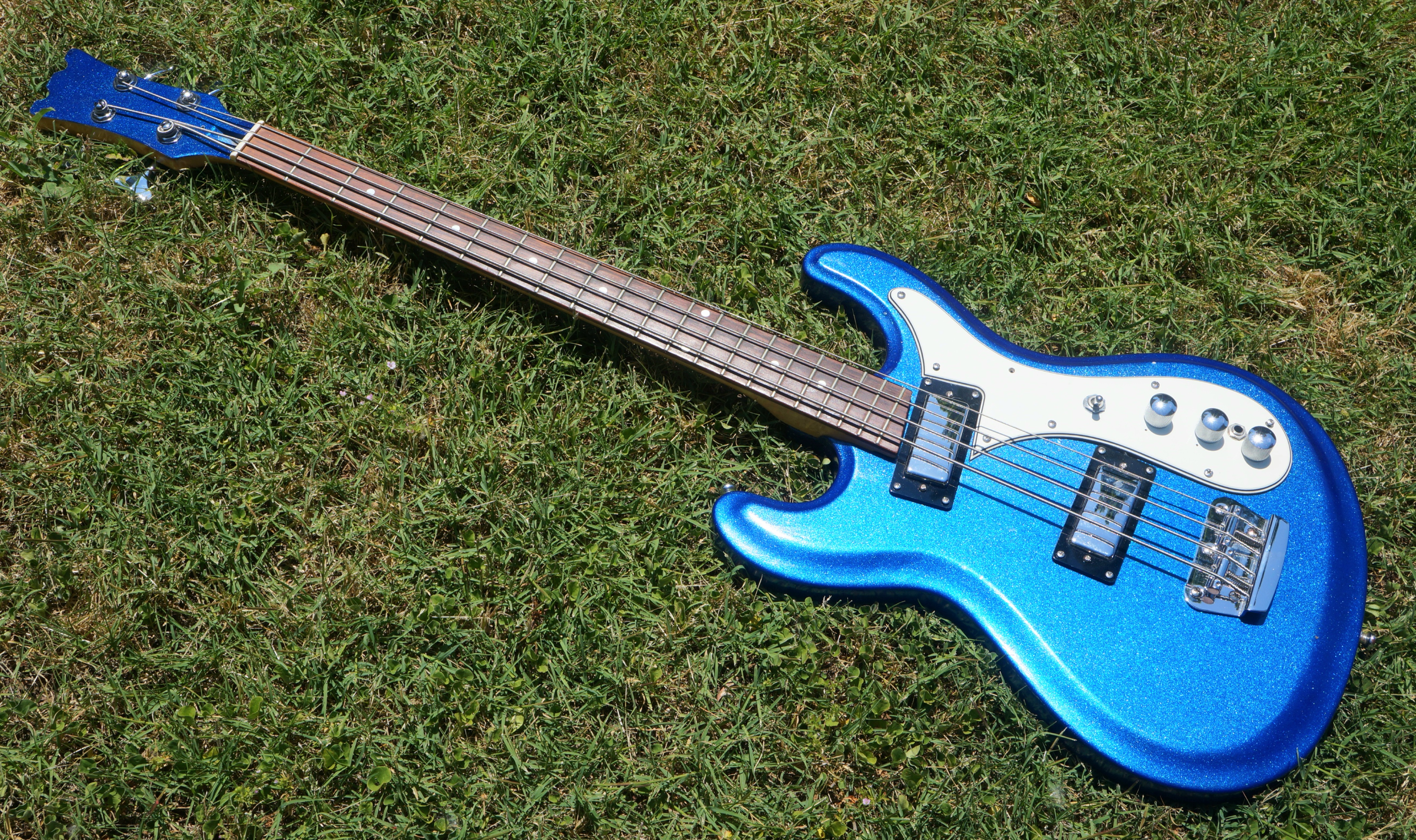
And CL came through for me again! A Davis, California bass player offered me this ‘vintage’ mystery 4-string Japanese short-scale so I had to buy it for my advertised $65usd.
Except I didn’t have exact change so she let me have it for $62, warts and all. Thanks, Vicky!
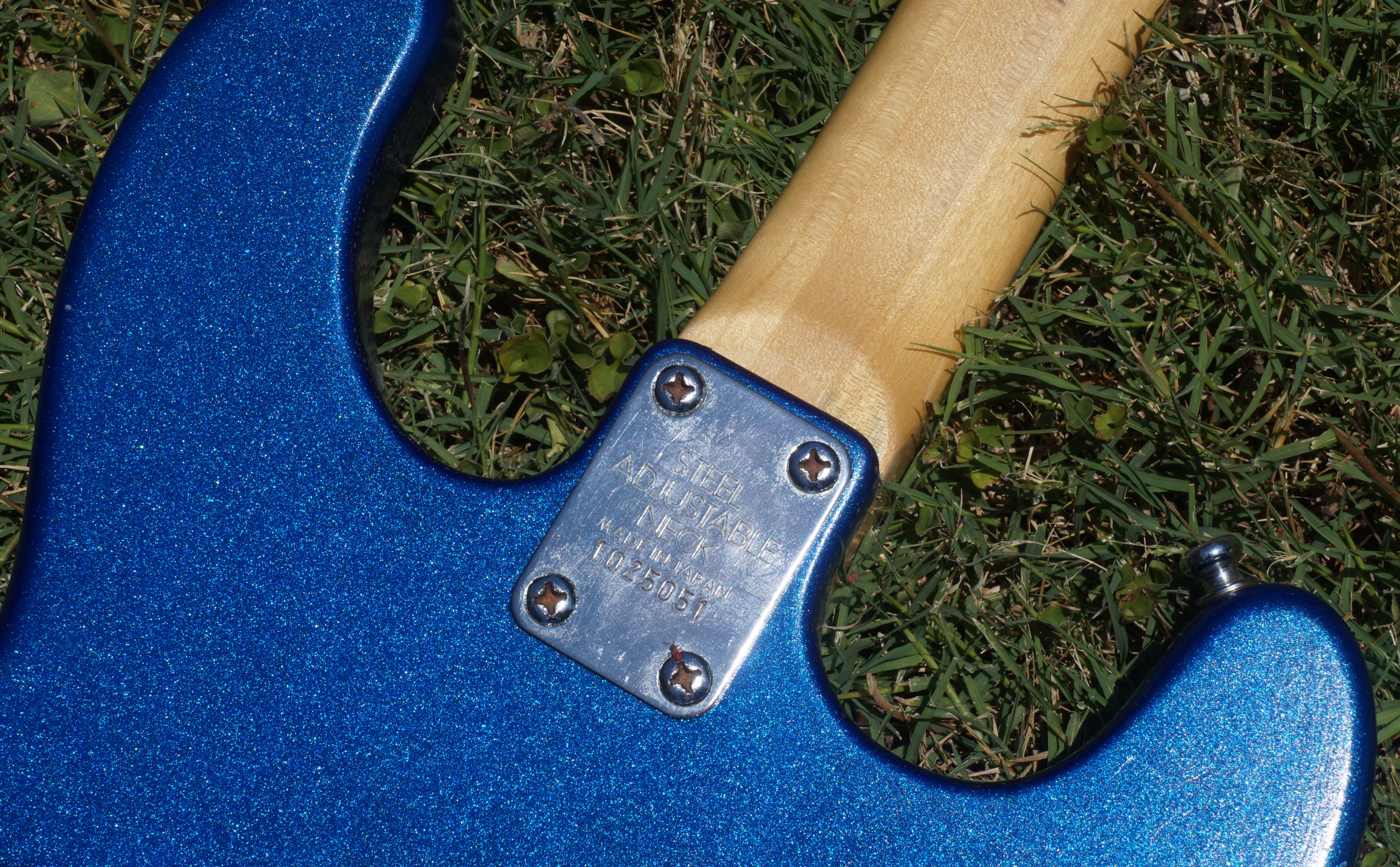
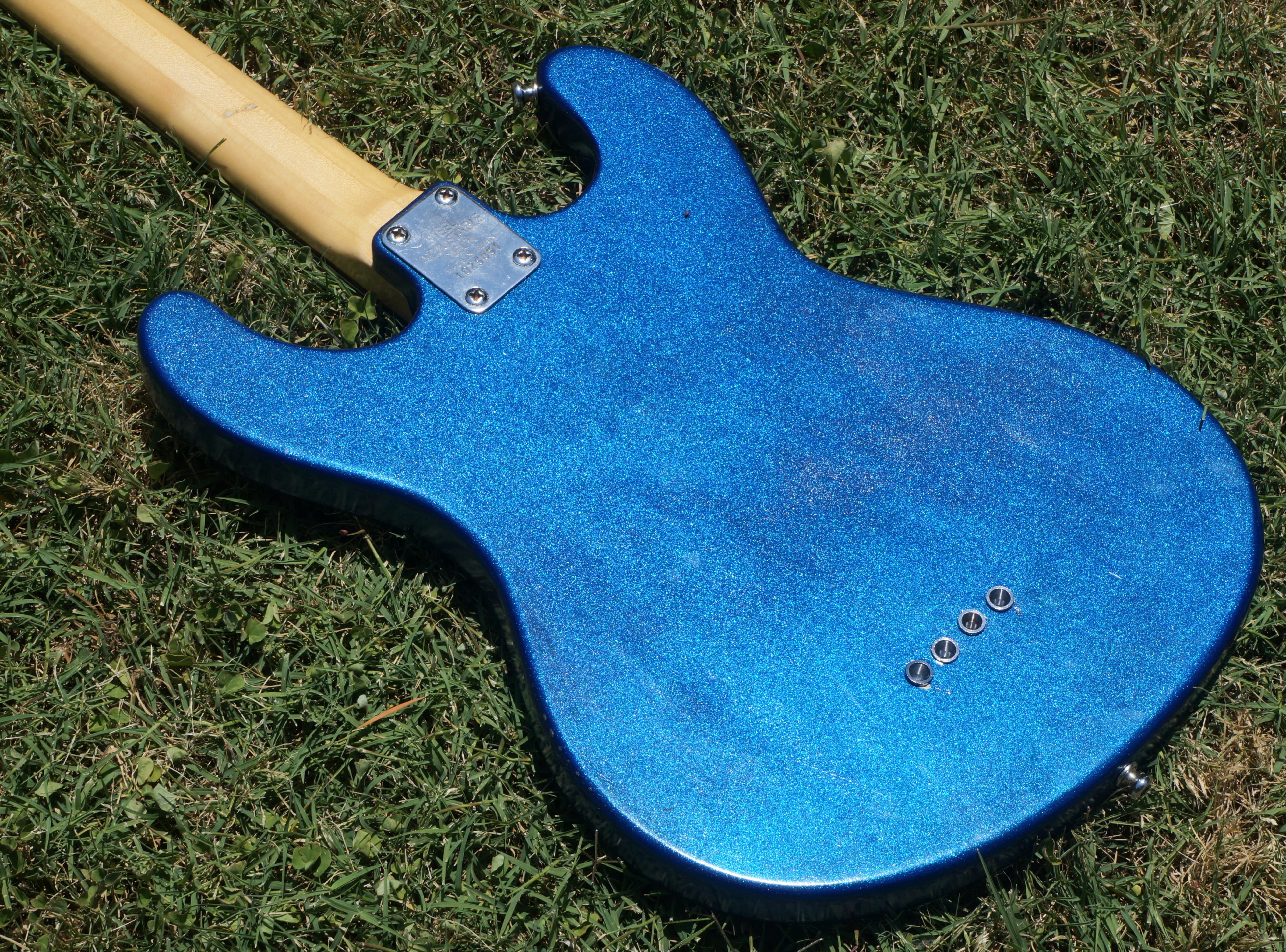
My CL ad said looks and age don’t matter and I got what I advertised for. The sparkly jingle-can paint spray job is hideous but probably looks OK from the cheap seats.
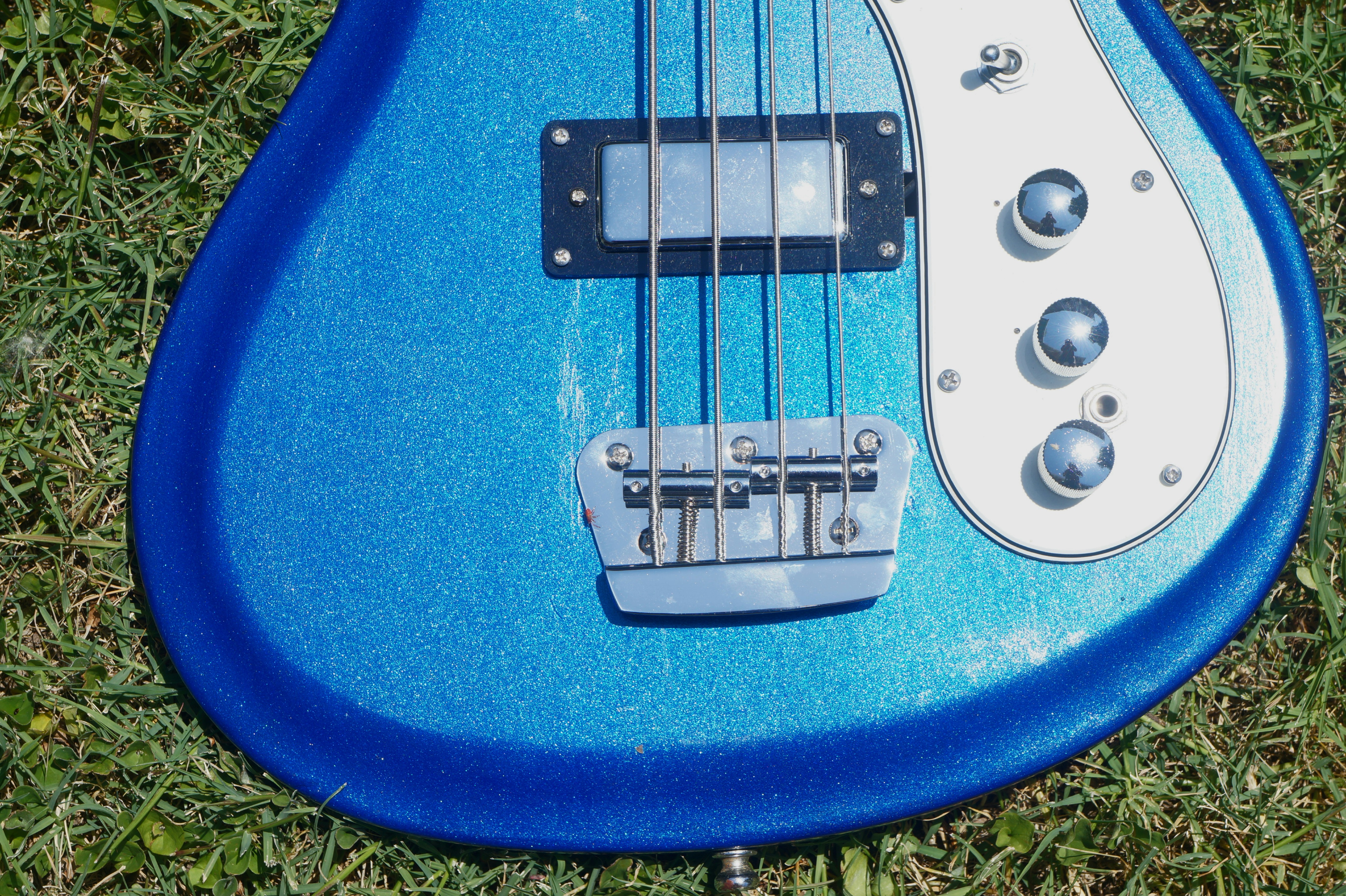
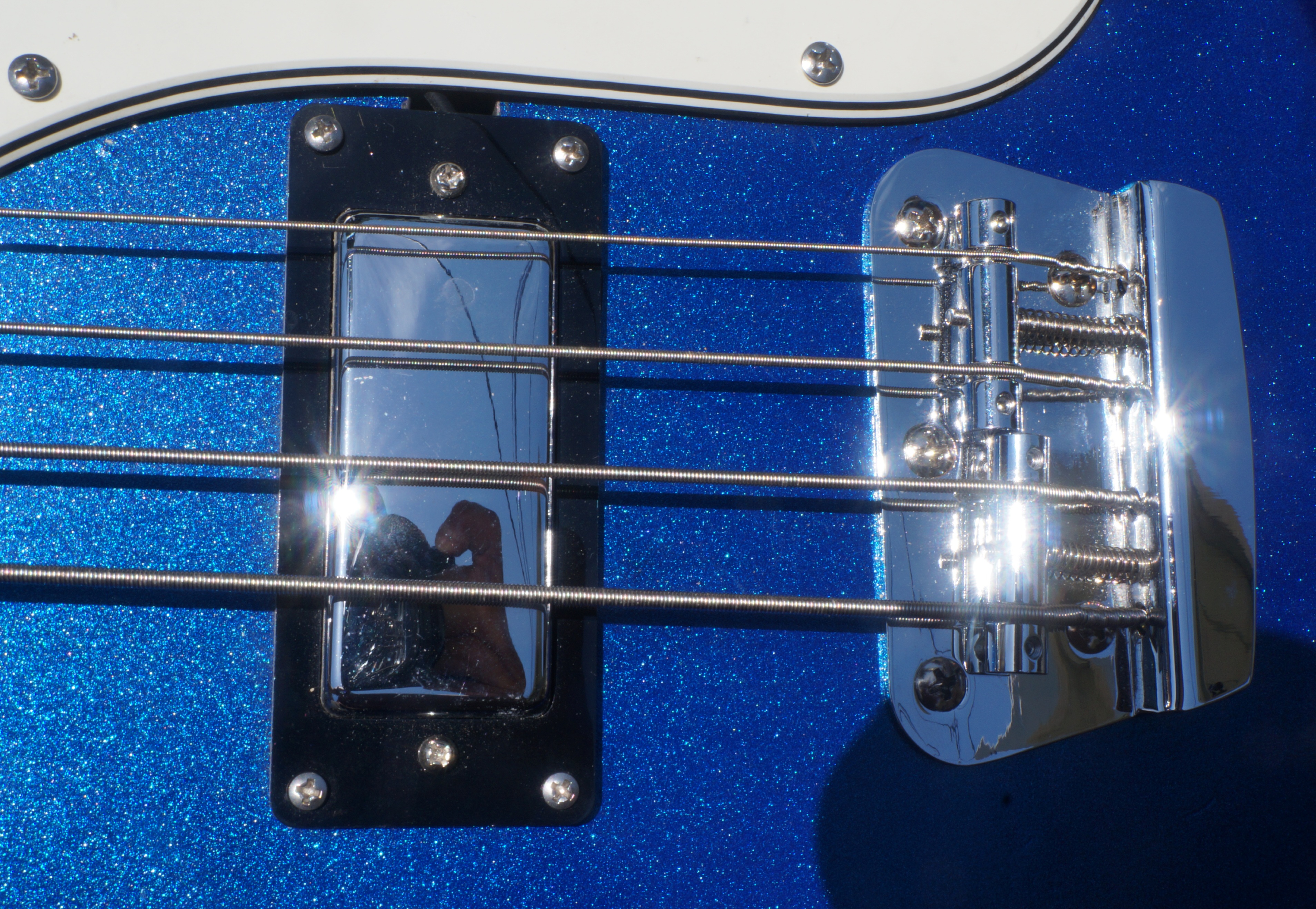
Only the neck humbucking pickup works. The bridge was installed off-center after the spray job and the amateur luthier never noticed. I guess.
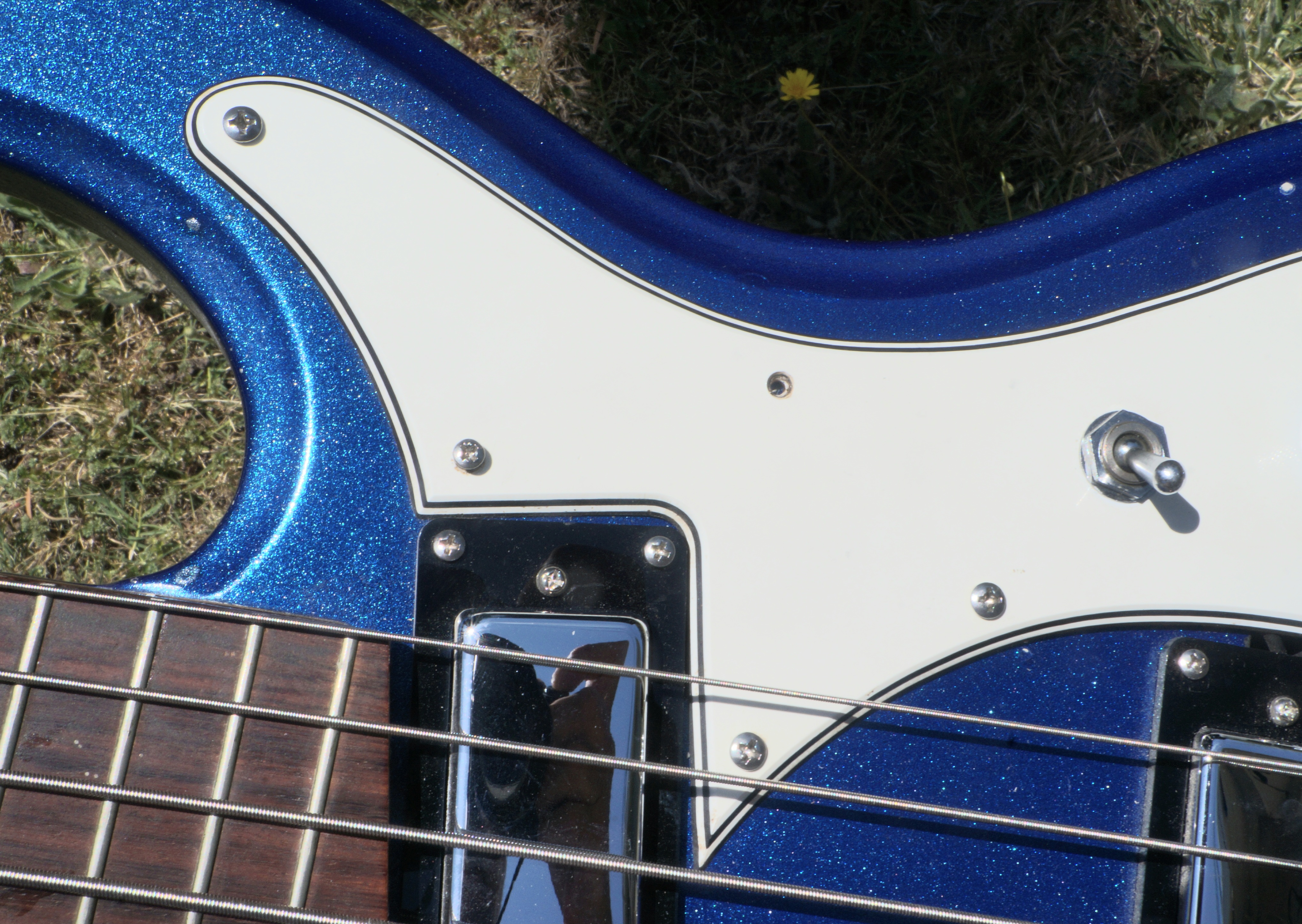
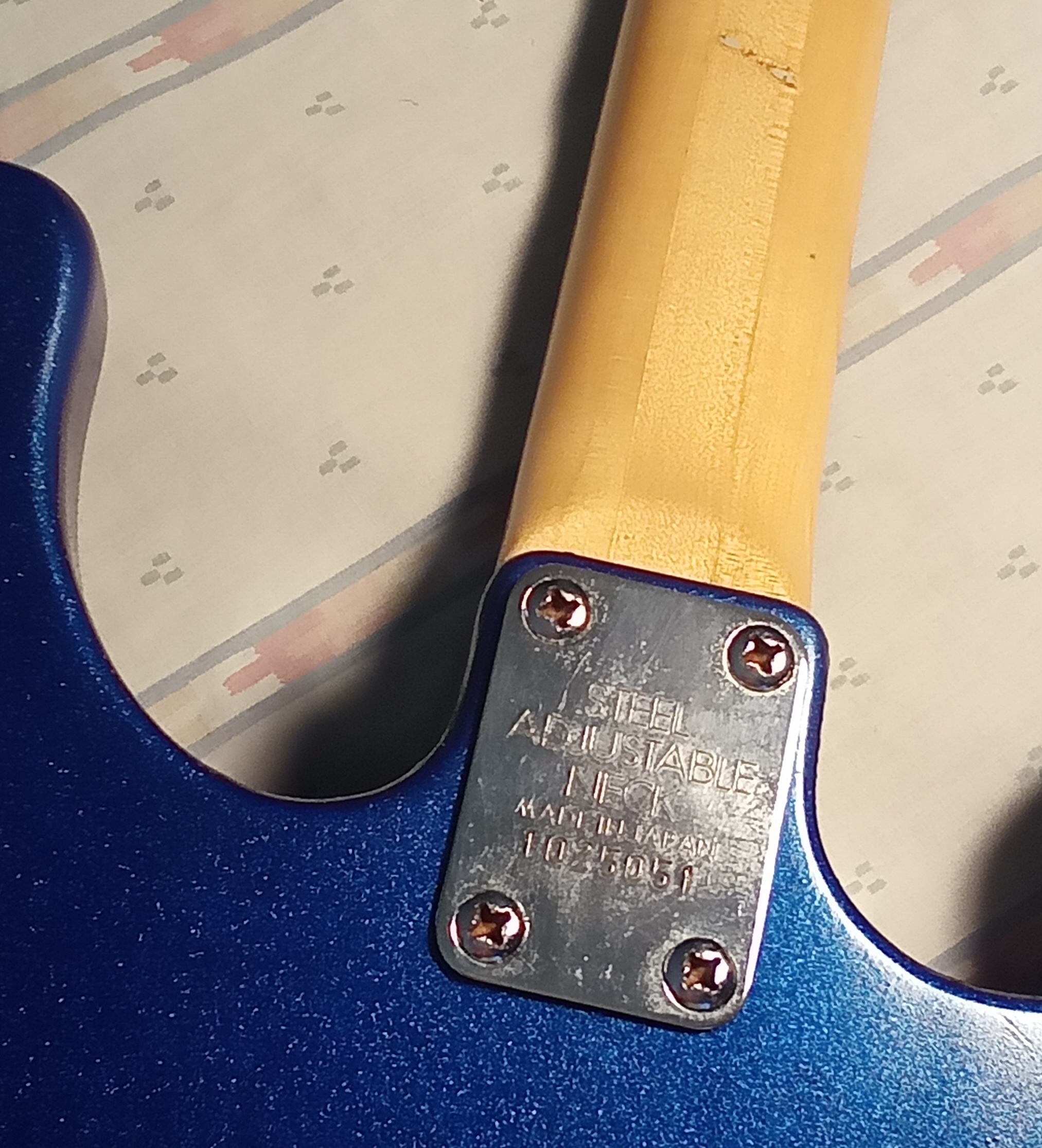
Missing and rusty screws abound and it’s heavy for a short-scale and a neck-diver to boot.
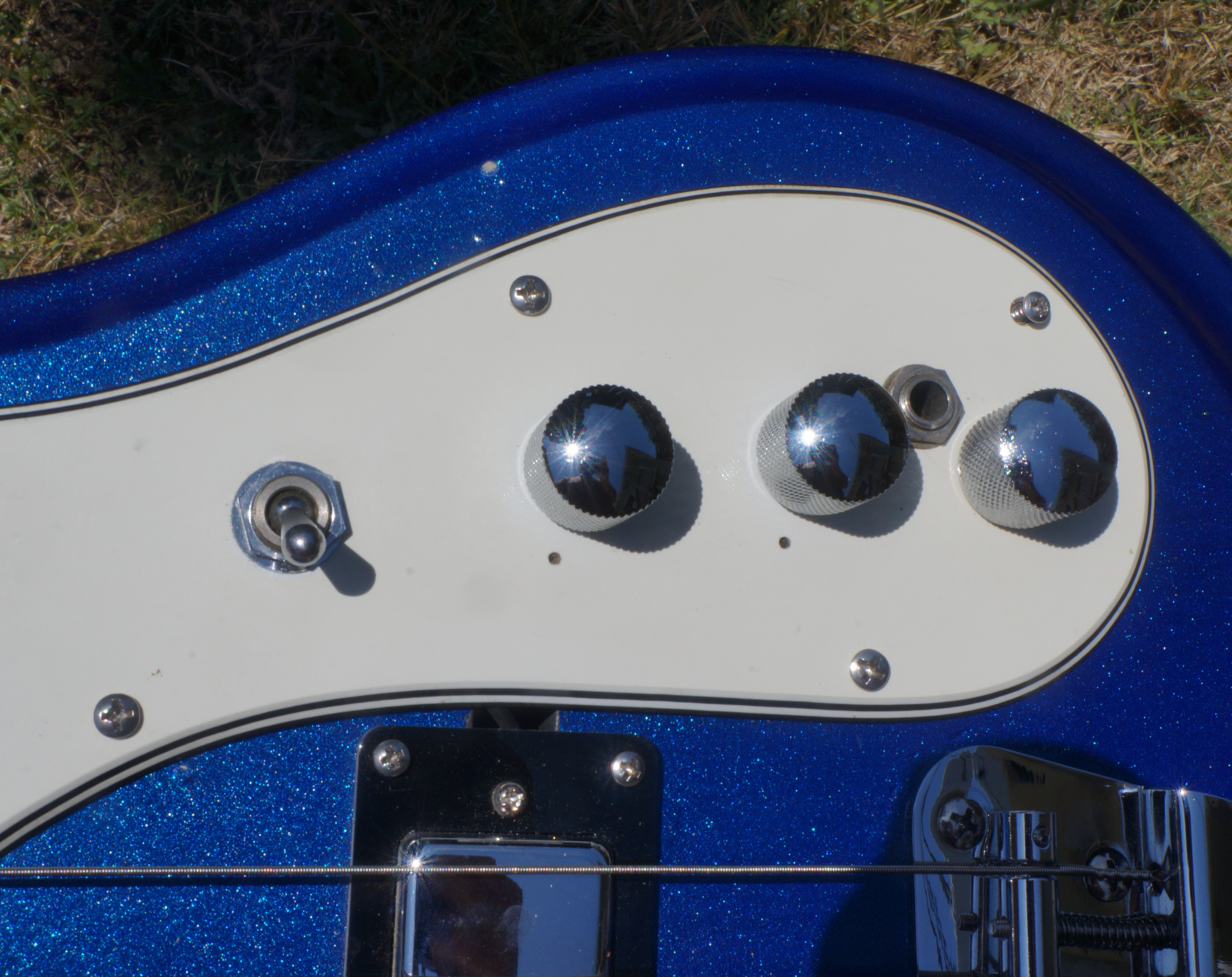
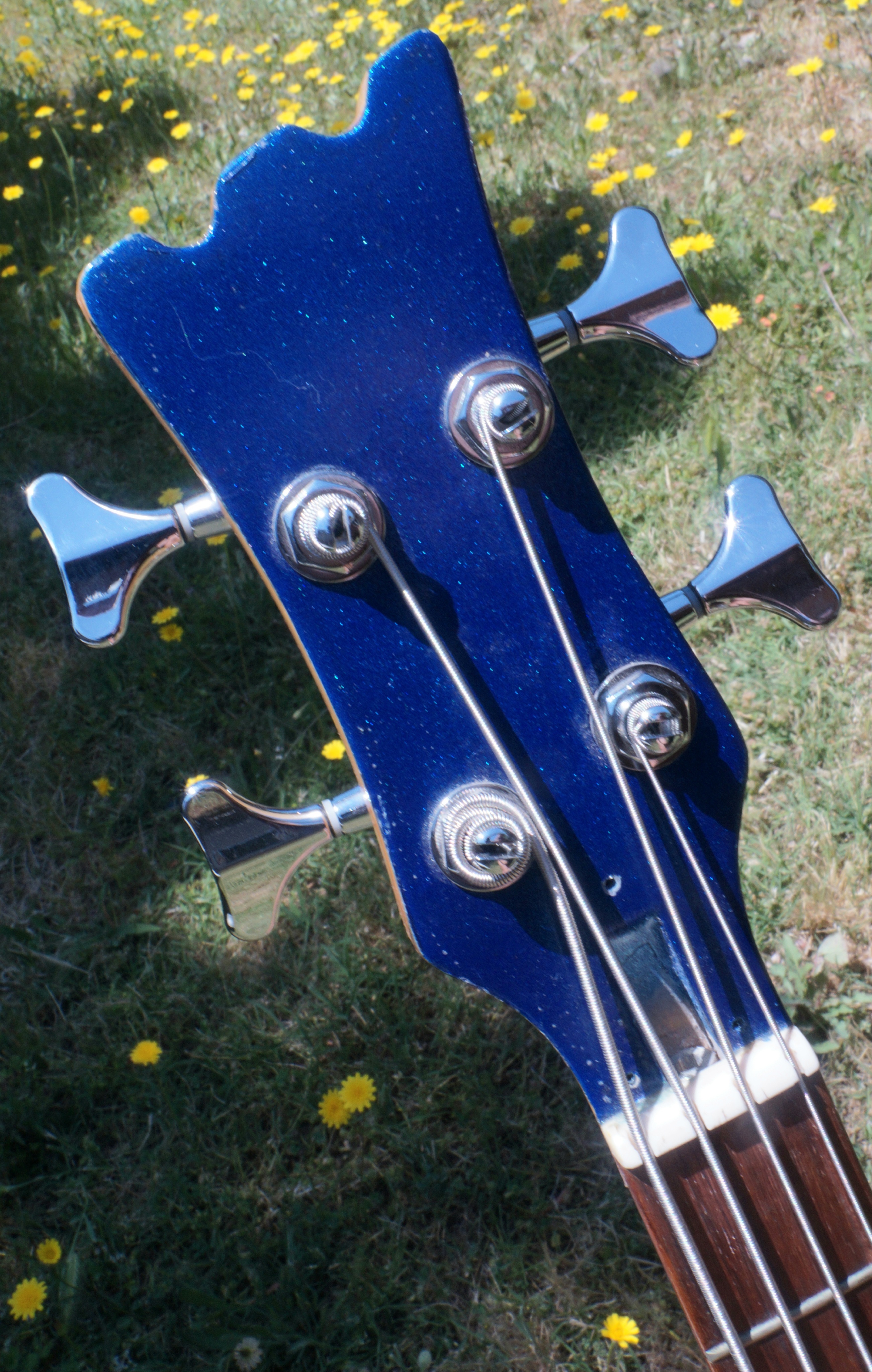
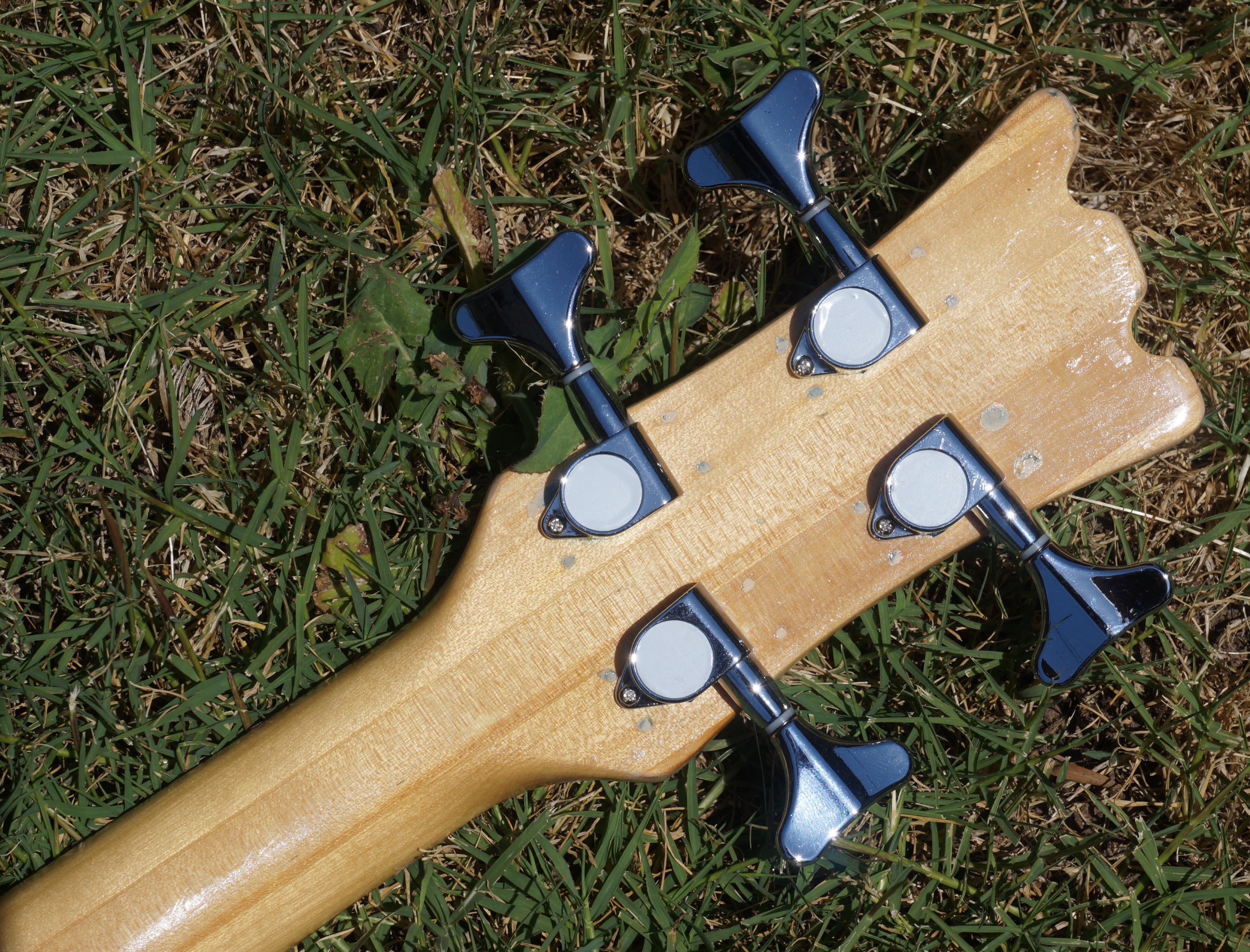
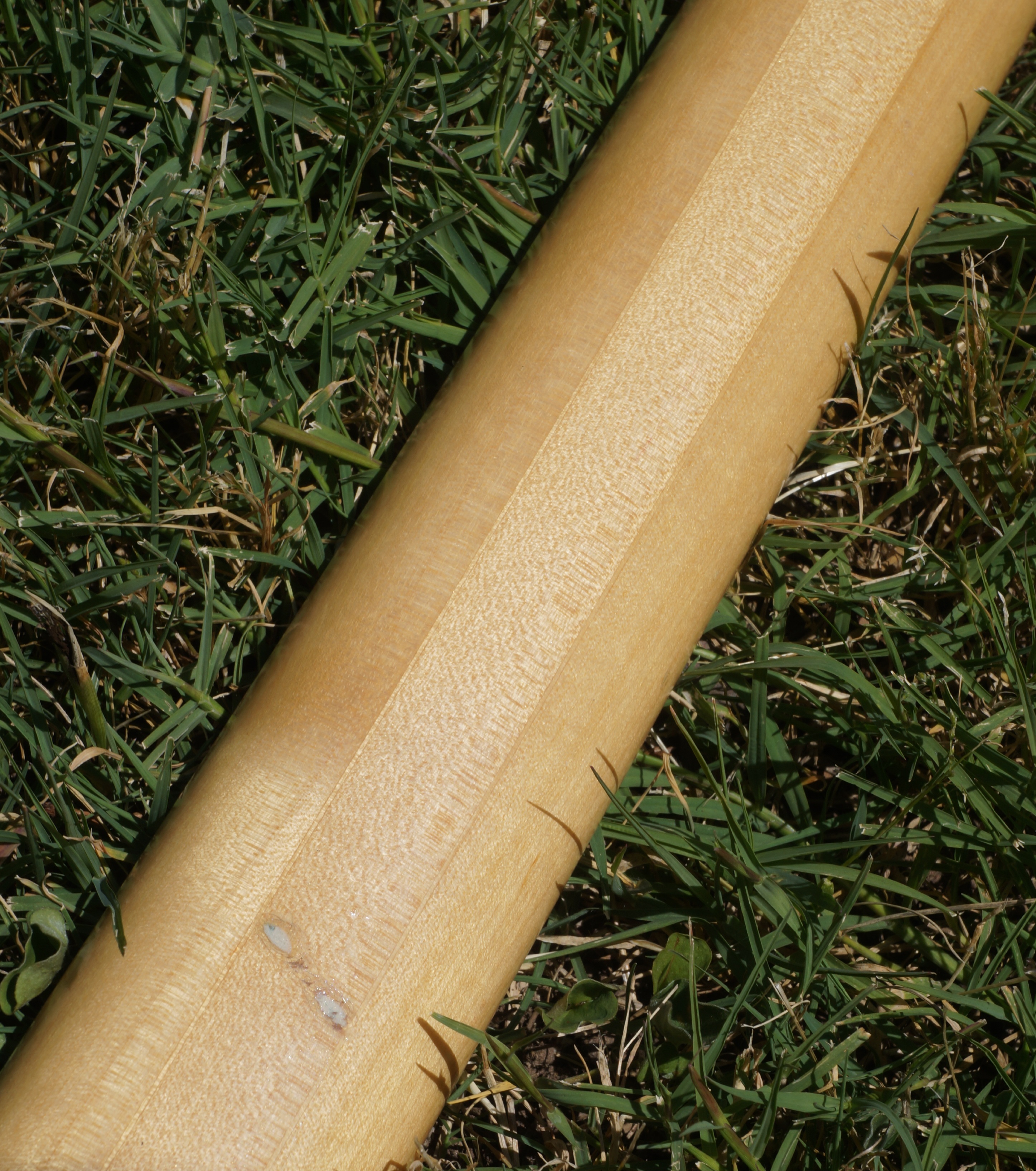
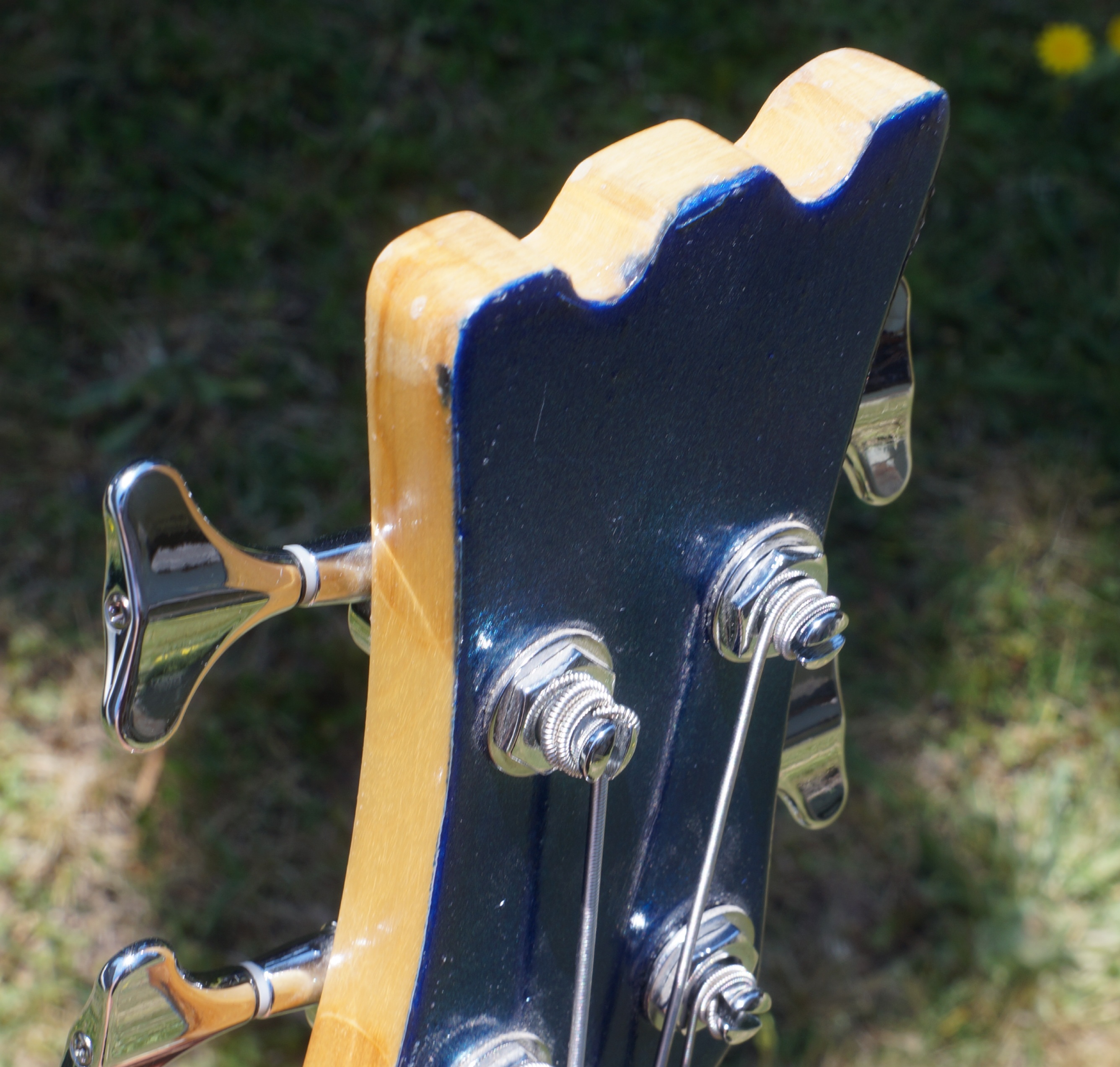
On the good side, the neck is straight and smooth and all controls work. The replacement machine heads are excellent. Frets are worn but usable.
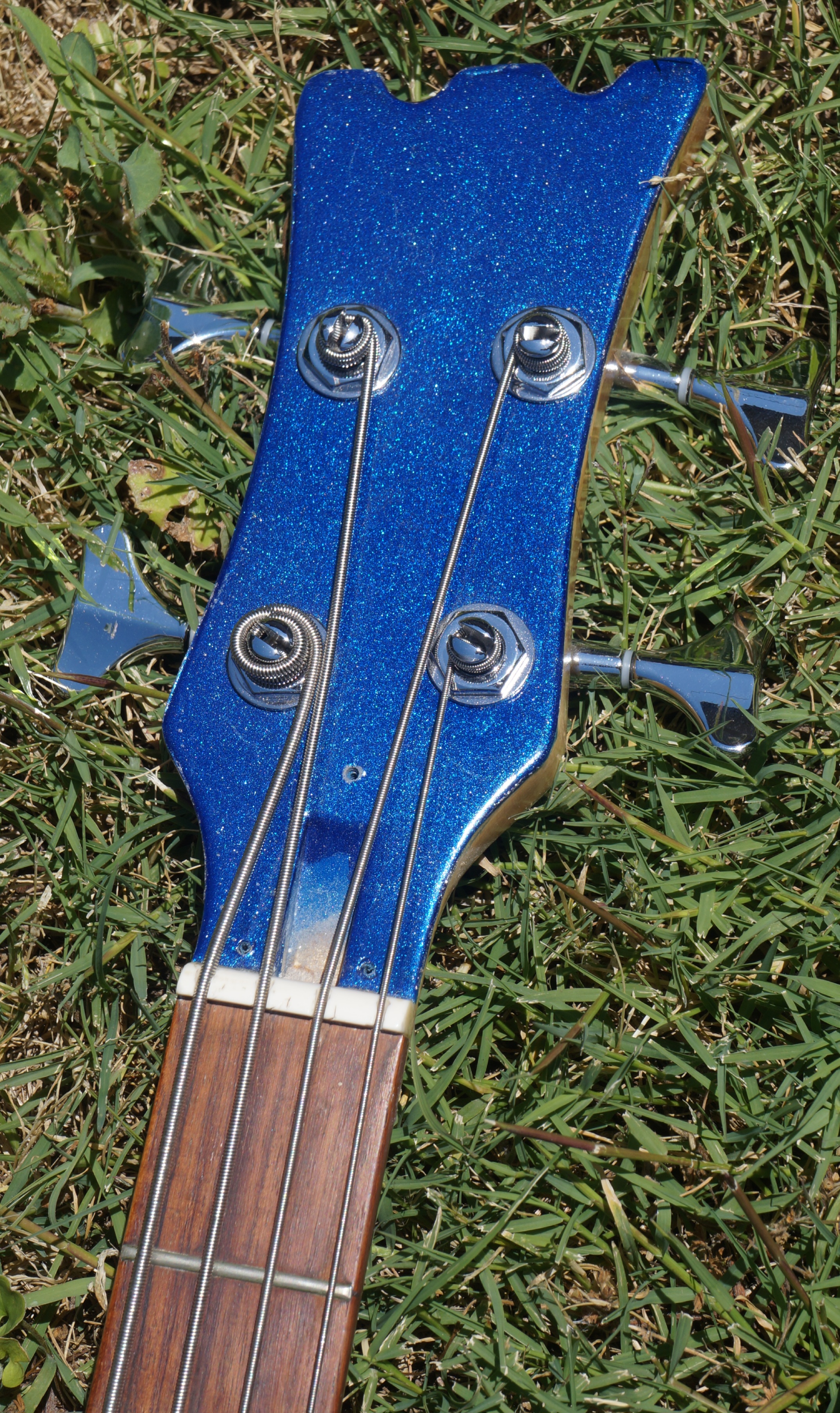
It plays nice and sounds pretty good even with the cheap, bright roundwound string set I found in my parts bin and chopped down to fit.
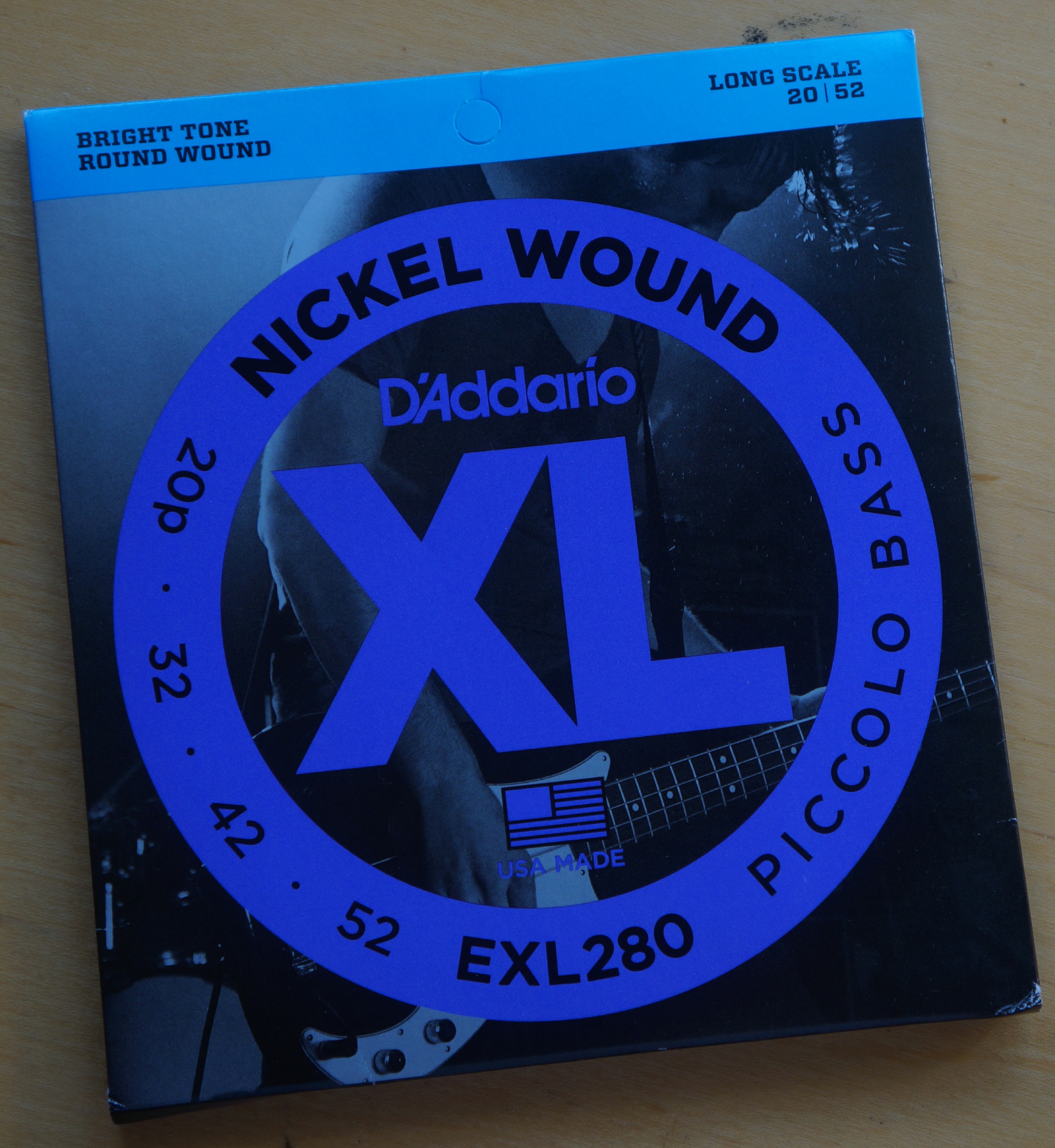
I already bought the piccolo gauge strings from Guitar Center for $19.99 and had them shipped to me.
So I think I’ve got a good start on building up my 4-string, guitar octave piccolo bass.
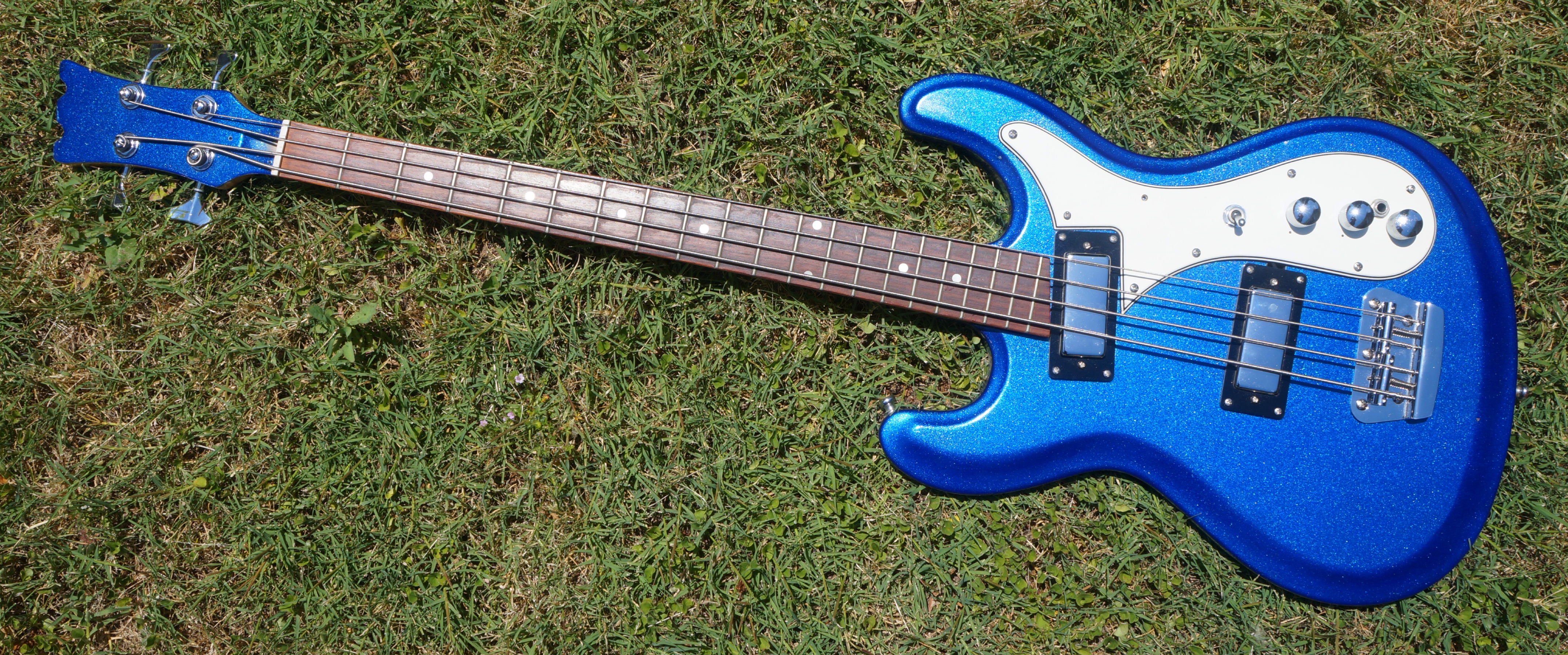
[Postscript: The talkbass.com bass experts have come through again: its a Japanese copy of the Bakersfield, California, USA made Mosrite Ventures bass from the 1960s or ’70s. Here’s my comment on my TB thread:
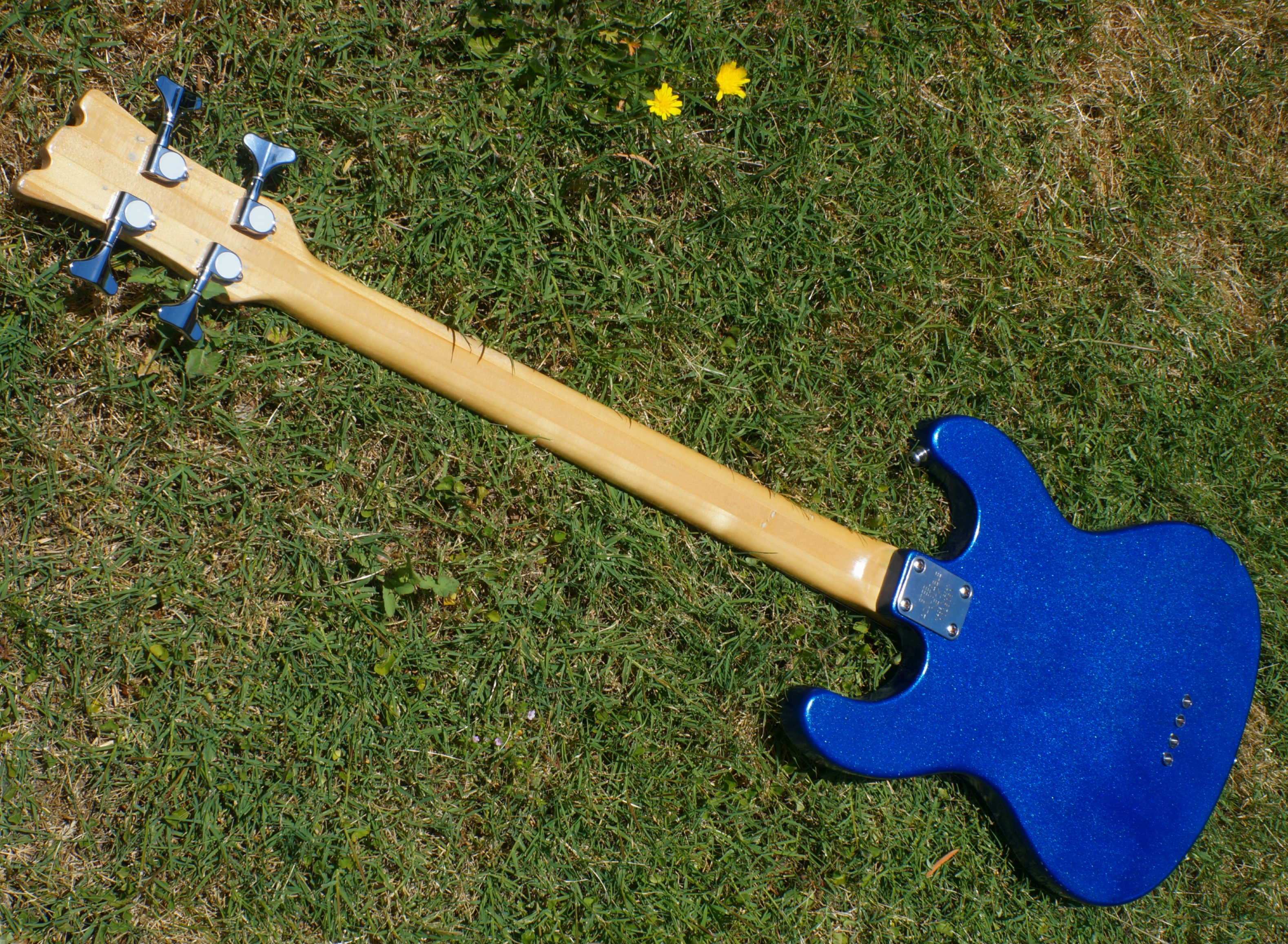
‘Yes, very close to the Univox Hi-Flier. Similar neck plate, 22 frets, 30.5 inch scale, no neck side dots. Differences are chrome pickups, chrome V/V/T knobs, two volume knobs and (I guess) a blender knob as well as a pickup chooser 3-way switch. Which seems to make no sense.
Surf rock and The Ventures must have hit Japan like Godzilla because apparently every instrument maker over there directly copied Mosrite. But of all the clones none exactly match mine: three chrome control knobs plus jack and switch, two headstock notches instead of three.
And the bridge looks nothing like any of the clones or the Mosrite, though it, like the tuners, may be a replacement.
So mine may be a little known Mosrite clone and I may never know who made or sold it unless I find markings on the neck or in the cavity on dismantling.
It’s most def a cool ‘vintage’ short-scale though, and very old- though not as old as me. Love the ‘German Carve’ on the front of the body. Thanks for the help!’
[Post Postscript: Crazy to say I’m having fun playing it as is as a bass through my old Roland Cube amp to funk up the tone with reverb, flanger, chorus, delay…, hide a multitude of my musical sins.
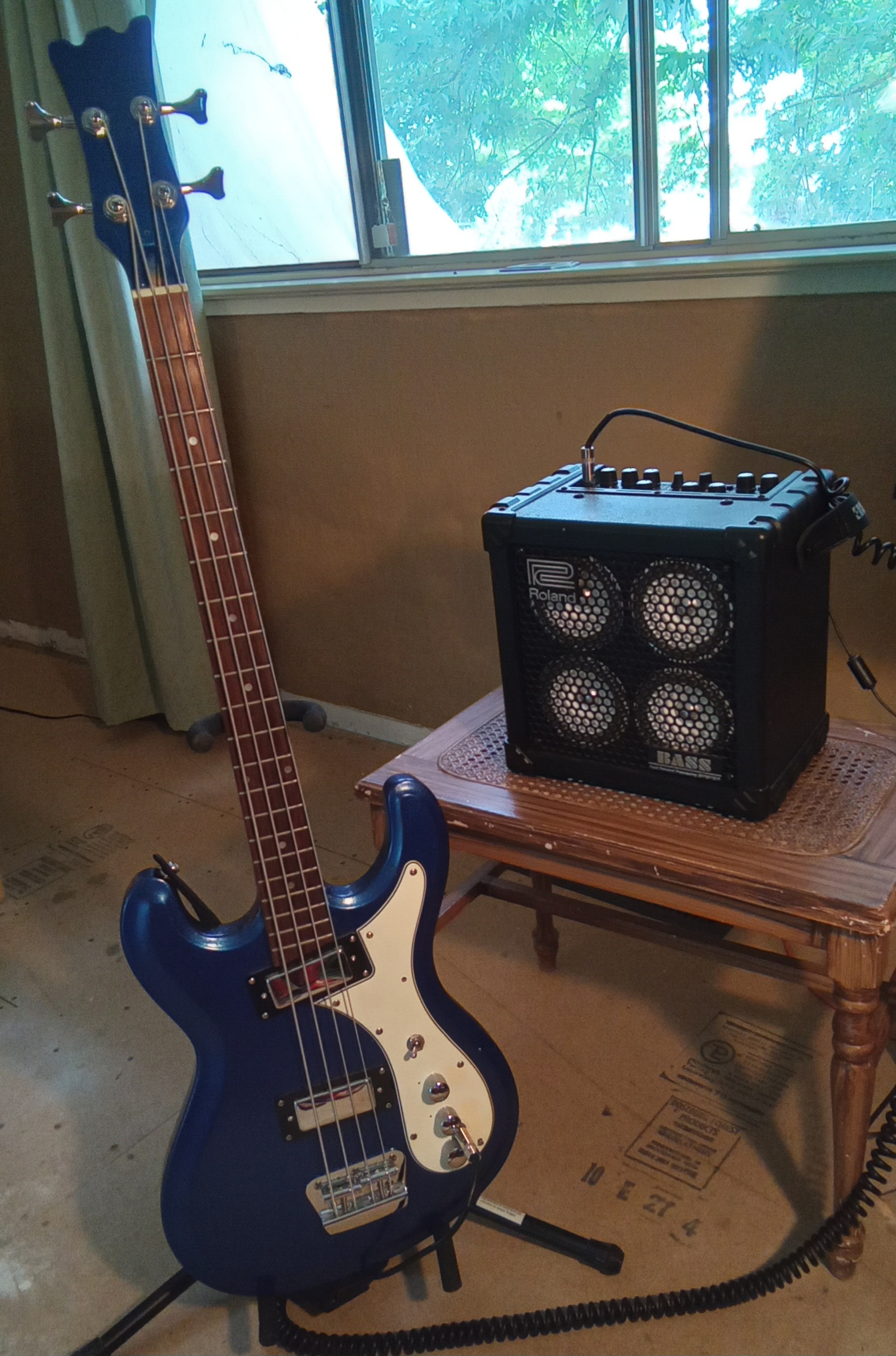
On a $10 super twangy bright discarded roundwound string set, cut down to short scale.
Shows up my every zingy finger mistake, plus with no side dots to light the way. Valuable Training is what the army calls it.
The response below from a knowledgeable talkbass.com poster sums up this bass’s origin story so far, or until I tear it down soon.
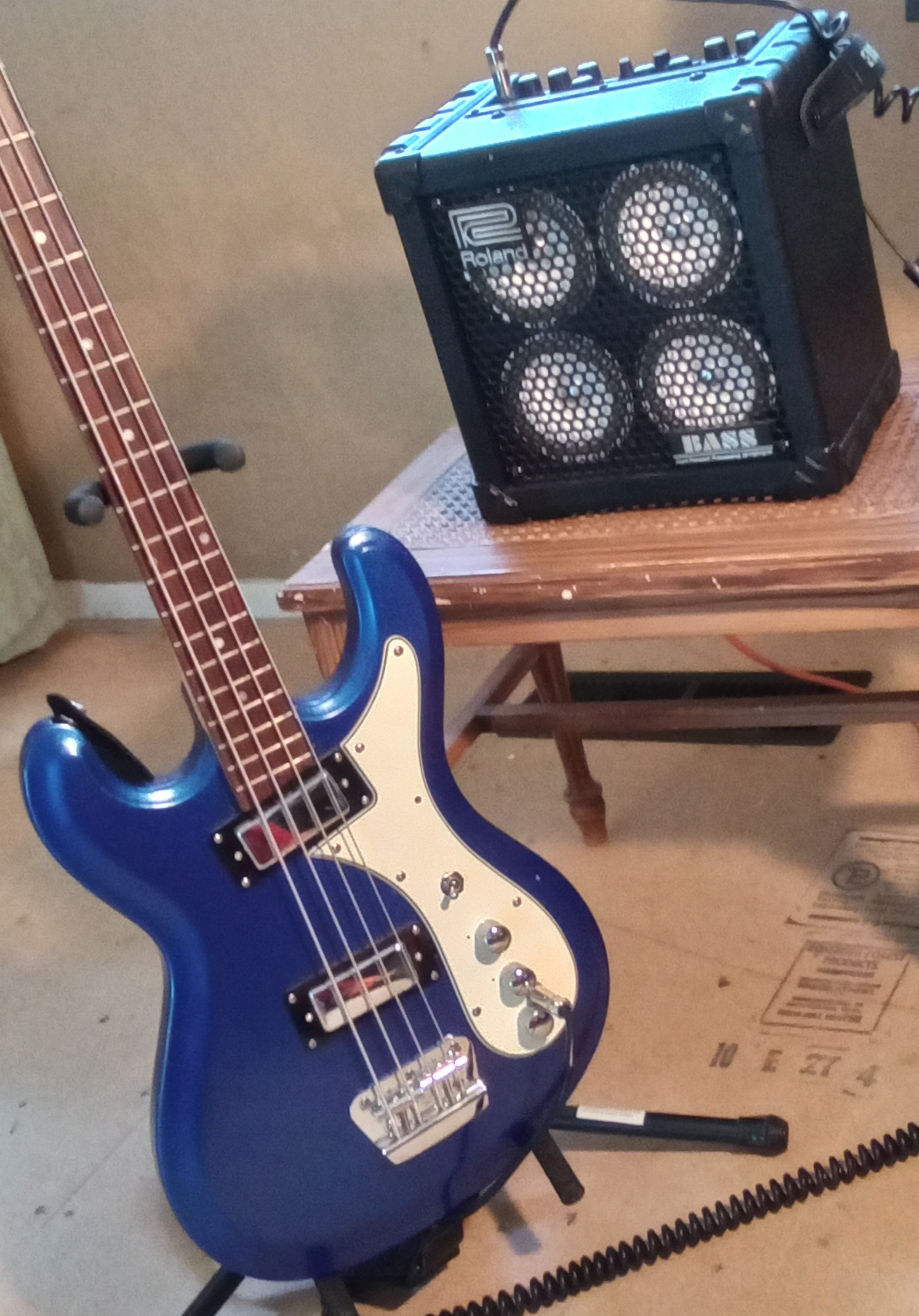
“Like others said, that’s either a Univox Hi-Flyer or an Aria. With an outside chance of having a donor body from an Eastwood reissue. The Univoxes had a big U sandblasted into the neck mounting plate, so assuming this is not a parts bass, it’s probably not a Univox.
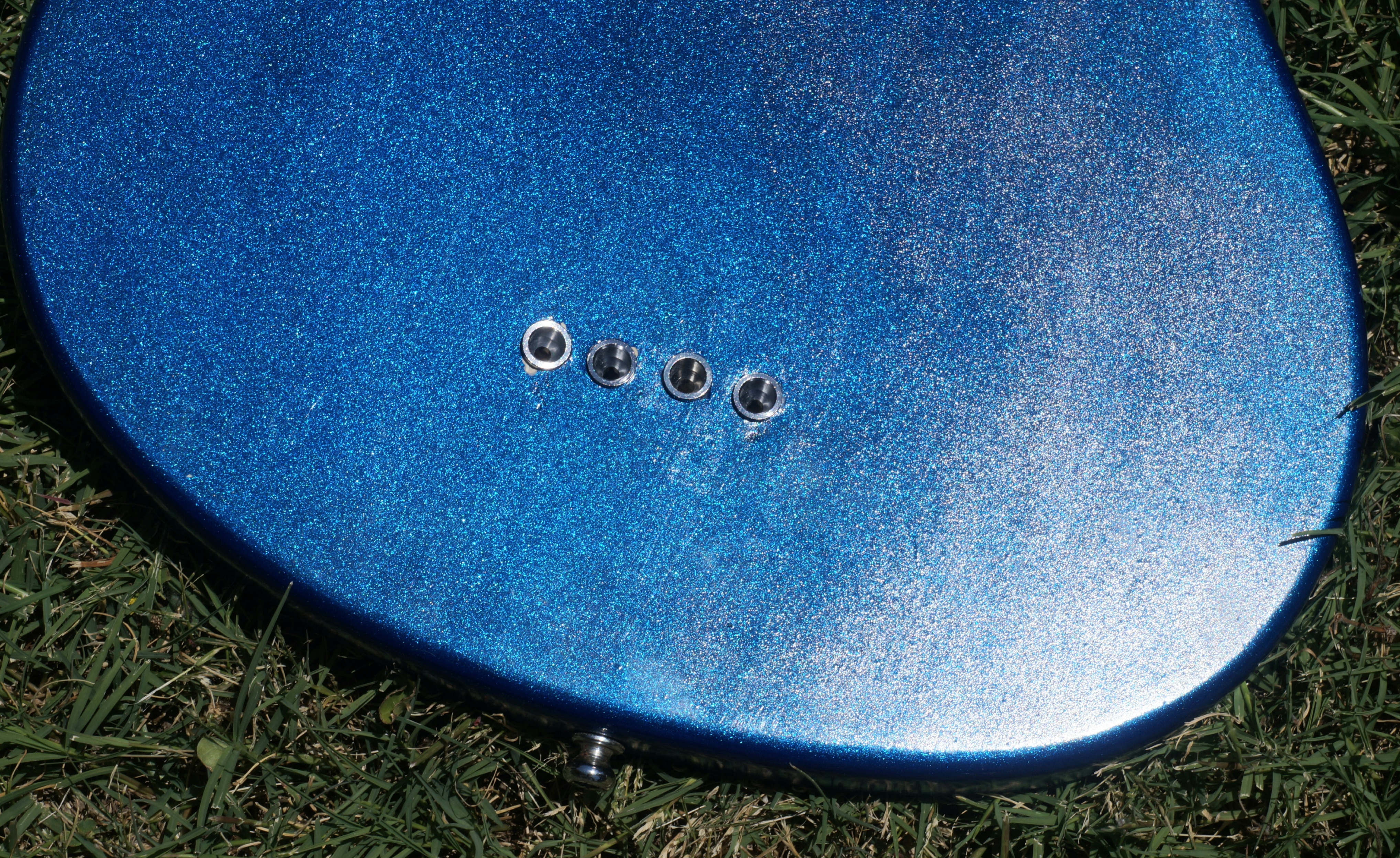
The tuners, pickups, bridge, and holes in the back are not original. In case that wasn’t obvious.
I’d bet if you take the pickups out you’ll see the strings are properly centered over the pickup routes. These pickups are weirdly undersized with comically large mounting plates to cover the holes.
The original bridges on these were scaled-down versions of generic Fender-style bent-plate bridge.”
The talkbass.com member comments are incredible at bass identification and the site remains useful and generally civil because of effective site moderation. The only way any social media site can survive.
Unless noted, all text and images by todgermanica.com.
 todgermanica.com
Looks like you have some work to do.
>
Yes, it’s a big project with so much wrong or broken or worn out or ugly. But no rush, I have four other axes to play. And they all sound different so I’m definitely not a bass hoarder.